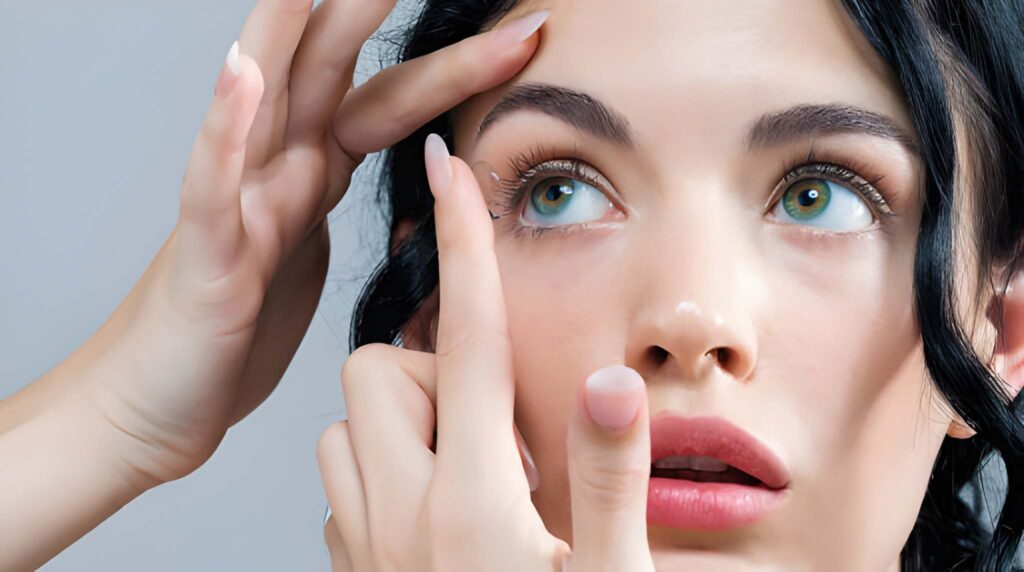
What is the New Treatment for Dry Eyes in 2025? If you’ve been struggling with dry, itchy, and irritated eyes, you’re definitely not alone. Chronic dry eye syndrome affects millions worldwide, and for the longest time, relief only came in the form of artificial tears, prescription drops, or minor lifestyle changes. But things are changing fast. In 2025, a groundbreaking solution has emerged—Lumenis OptiLight—a revolutionary, FDA-approved treatment that’s reshaping how we manage dry eyes.
Curious what makes this new technology so effective? Let’s explore why OptiLight is quickly becoming the go-to answer for lasting dry eye relief.
Understanding Dry Eye Syndrome
Causes of Dry Eyes
Dry eye happens when your eyes don’t produce enough tears or when the tears evaporate too quickly. Some common causes include:
- Prolonged screen time
- Aging
- Hormonal changes
- Autoimmune diseases
- Environmental factors like wind or dry air
Symptoms to Look Out For
- Burning or stinging sensation
- Blurry vision
- Gritty feeling in the eyes
- Redness
- Light sensitivity
Who is at Risk?
People over 40, postmenopausal women, contact lens wearers, and individuals with certain health conditions (like diabetes or Sjögren’s syndrome) are particularly vulnerable.
Traditional Treatments for Dry Eyes
Before OptiLight came into the picture, treatments were mostly about managing symptoms.
Artificial Tears and Eye Drops
These provide temporary relief but often require frequent application.
Prescription Medications
Such as cyclosporine (Restasis) or lifitegrast (Xiidra) help reduce inflammation but can take weeks to show effect.
Lifestyle Changes and Home Remedies
Think humidifiers, taking screen breaks, warm compresses, and eyelid hygiene.
The Need for Advanced Treatment Options
While traditional treatments help, they often don’t address the root cause—Meibomian Gland Dysfunction (MGD)—which is responsible for over 85% of dry eye cases.
Limitations of Conventional Methods
- Short-term relief
- Requires constant re-application
- Doesn’t treat the inflammation or gland dysfunction directly
Rise in Chronic Dry Eye Cases
With more people glued to screens and an aging population, the demand for effective, long-term solutions is greater than ever.
What is Lumenis OptiLight?
Lumenis OptiLight is the first and only IPL (Intense Pulsed Light) therapy specifically designed and FDA-approved for treating dry eye disease caused by MGD.
FDA Approval and Medical Acceptance
Approved by the FDA in 2021, it gained widespread use by 2025 due to its consistent results, safety profile, and technological advancements.
How Lumenis OptiLight Works
The Science Behind IPL
Intense Pulsed Light uses broad-spectrum light pulses to reduce inflammation, kill harmful bacteria, and unclog the Meibomian glands—those tiny oil-producing glands in your eyelids.
Mechanism of Action
- Targets abnormal blood vessels
- Reduces inflammation
- Stimulates healthy gland function
- Restores natural tear film
Treatment Process Step-by-Step
- A gel is applied under your eyes
- Protective eyewear is placed
- Short pulses of light are delivered
- Total session lasts around 15 minutes
- No downtime required
What Makes OptiLight Unique in 2025?
Technological Improvements
Enhanced precision and energy calibration ensure safer and more effective treatment tailored to each patient.
Better Safety and Comfort
Cooling technology and updated applicators reduce discomfort, even for sensitive skin types.
High Precision Delivery System
Now includes AI-guided targeting to optimize pulse placement and intensity.
Benefits of Lumenis OptiLight for Dry Eyes
- Long-lasting relief (many patients experience results after 2-4 sessions)
- Non-invasive and painless
- Quick treatment time
- Minimal to no side effects
- Improved overall eye health and appearance
What to Expect During the Procedure
Pre-Treatment Assessment
Your eye doctor will assess your tear production, gland function, and skin type to determine if you’re a good candidate.
During the Session
Expect a gentle snapping sensation—like a rubber band. Most patients find it totally manageable.
Post-Treatment Care
Avoid sun exposure and harsh skincare for 24 hours. No downtime required!
Who is a Good Candidate for OptiLight?
Ideal Patients
- Diagnosed with MGD-related dry eyes
- Over 18 years old
- Not pregnant or breastfeeding
- Have fair to medium skin tones (newer versions are expanding suitability)
Contraindications and Cautions
- Active skin infections
- Certain light-sensitive conditions
- History of seizures triggered by light
Comparing OptiLight With Other Treatments
OptiLight vs. Eye Drops
- Eye drops = temporary
- OptiLight = long-term improvement
OptiLight vs. LipiFlow
- LipiFlow uses heat and massage; great for some, not all
- OptiLight targets inflammation and vascularity as well
Cost-Effectiveness and Long-Term Benefits
While the upfront cost may be higher, fewer follow-ups and lasting relief make it more cost-effective over time.
Risks and Side Effects
Common Temporary Side Effects
- Mild redness
- Slight swelling
- Tingling or warmth
Rare Complications
- Pigment changes in the skin
- Blistering (very rare when performed correctly)
Conclusion
Wondering what is the new treatment for dry eyes in 2025? The answer is Lumenis OptiLight—a cutting-edge solution that’s changing the game for those suffering from chronic dry eye. No more relying on endless eye drops or temporary fixes. OptiLight offers real, lasting relief by targeting the root cause of dry eye, not just the symptoms. If you’ve been struggling with irritation, redness, or blurry vision, this breakthrough treatment might finally bring you the comfort and clarity you deserve.
Visit House of Eyes
At House Of Eyes, we offer advanced dry eye treatment options, including in-office therapies and custom home regimens. Our experienced optometrists in South Brunswick Township will get to the root of the issue and restore comfort to your eyes. Don’t just tolerate the symptoms—let us treat the cause.